Tracing Financial Pathways Linking Rewards, Mobile Tables, and Sports Betting Levels
Nils Reed · Jun 5, 2026
Tracing Financial Pathways Linking Rewards, Mobile Tables, and Sports Betting Levels
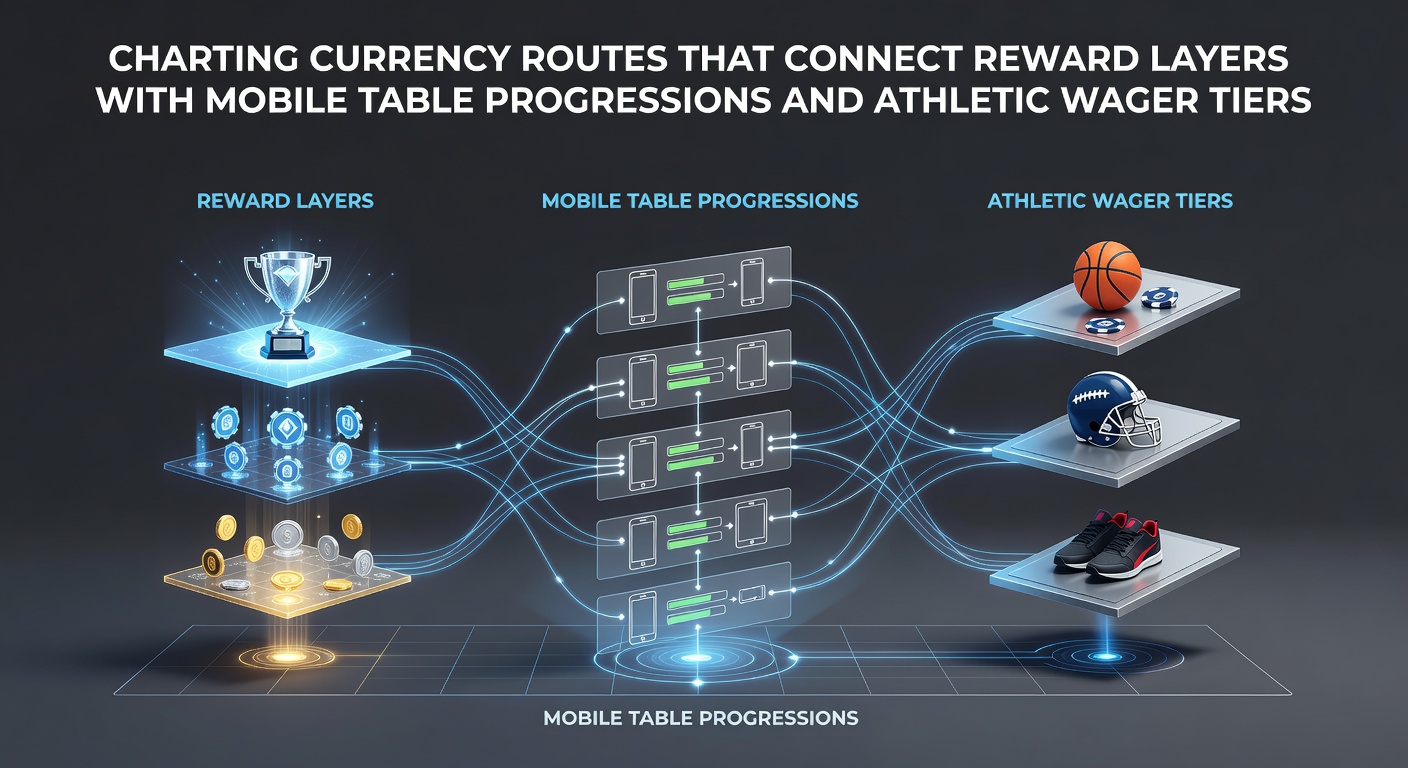
Payment systems in modern gambling platforms route funds through interconnected layers that tie player rewards directly to mobile table game progressions and athletic wager categories, creating structured movement of deposits and winnings across multiple verticals. Operators design these routes so that initial funding activates bonus structures, which then unlock incremental advances in table game sessions on mobile devices while simultaneously feeding into tiered sports betting opportunities. Currency enters these networks through standard deposit channels, then distributes according to predefined allocation rules that prioritize reward accumulation before branching into active gameplay segments. Mobile table progressions rely on steady inflows to sustain chip stacks and progression meters, whereas athletic wager tiers draw from the same pools to establish bet limits and payout multipliers based on account activity levels. Data from the European Gaming and Betting Association shows that integrated routing reduces transaction friction by allowing single deposits to service all three areas without separate transfers.Core Components of Integrated Currency Routing
Reward layers function as the entry point where deposits convert into loyalty points or bonus credits that carry over into mobile environments, and these same credits influence eligibility for higher athletic wager tiers through shared activity tracking. Mobile table progressions track player engagement via session duration and bet volume, feeding data back into the reward system to accelerate point accrual, while athletic wager tiers adjust dynamically as cumulative spending across tables and slots meets thresholds set by operators.
Observers note that seamless transitions occur because backend ledgers synchronize balances across platforms in real time, preventing delays when users switch from a mobile blackjack table to placing a sports parlay. In June 2026, industry reports presented at the Global Gaming Expo outlined how these synchronized ledgers now handle over 85 percent of multi-vertical transactions without requiring manual reconciliation.Payment Method Influence on Route Efficiency
E-wallets and instant bank transfers accelerate movement through reward layers because they credit accounts immediately, enabling instant activation of mobile table sessions and simultaneous qualification for sports betting upgrades. Credit cards, by contrast, introduce authorization holds that can temporarily restrict access to higher wager tiers until funds clear, though many platforms now bypass this by advancing provisional credit tied to reward points.
Research from the University of Nevada's International Gaming Institute indicates that platforms prioritizing instant methods see 40 percent higher crossover activity between mobile tables and sports bets. Those who've examined transaction logs find that prepaid cards often route funds into restricted reward pools that exclude certain athletic wager categories to comply with regional banking rules.
Examples of Route Mapping in Practice
One operator in the Canadian market implemented a unified wallet that automatically splits each deposit across reward accumulation, mobile table chip purchases, and a sports betting reserve based on user-selected preferences. This structure allows players advancing through mobile roulette levels to carry over progress metrics that unlock elevated odds on football accumulators without additional funding steps.
Another case involves Australian platforms where loyalty tiers directly scale the maximum stake available in both live dealer mobile tables and horse racing wagers, with currency routes adjusting automatically as players climb levels. Figures from the Asia-Pacific Gaming Association reveal that such tier-linked routing increased average session value by 22 percent across participating sites during early 2026 testing periods.Security and Compliance in Currency Flows
Regulatory frameworks in multiple jurisdictions require clear audit trails for every segment of these routes, ensuring that funds moving from reward layers into mobile tables or athletic wagers maintain full traceability. Anti-money laundering protocols embed verification checkpoints at each transition point, which slows processing only when anomalies appear in spending patterns across the three areas.
Platforms employ encryption and tokenization to protect route data while still permitting real-time balance updates that keep mobile table progressions and sports betting tiers aligned. Those monitoring industry standards report that compliance costs have risen 15 percent since 2025 due to expanded reporting on cross-vertical transfers.Conclusion
Financial pathways that connect reward layers with mobile table progressions and athletic wager tiers continue to evolve through technological integration and regulatory adaptation. The routes enable efficient fund distribution while maintaining separation where required by compliance rules, supporting sustained player engagement across verticals. Ongoing developments in ledger synchronization and payment processing will likely refine these connections further in coming periods.