Payment Architectures and Incentive Systems Shaping Player Shifts Across Digital Game Formats
Nils Reed · Oct 15, 2026
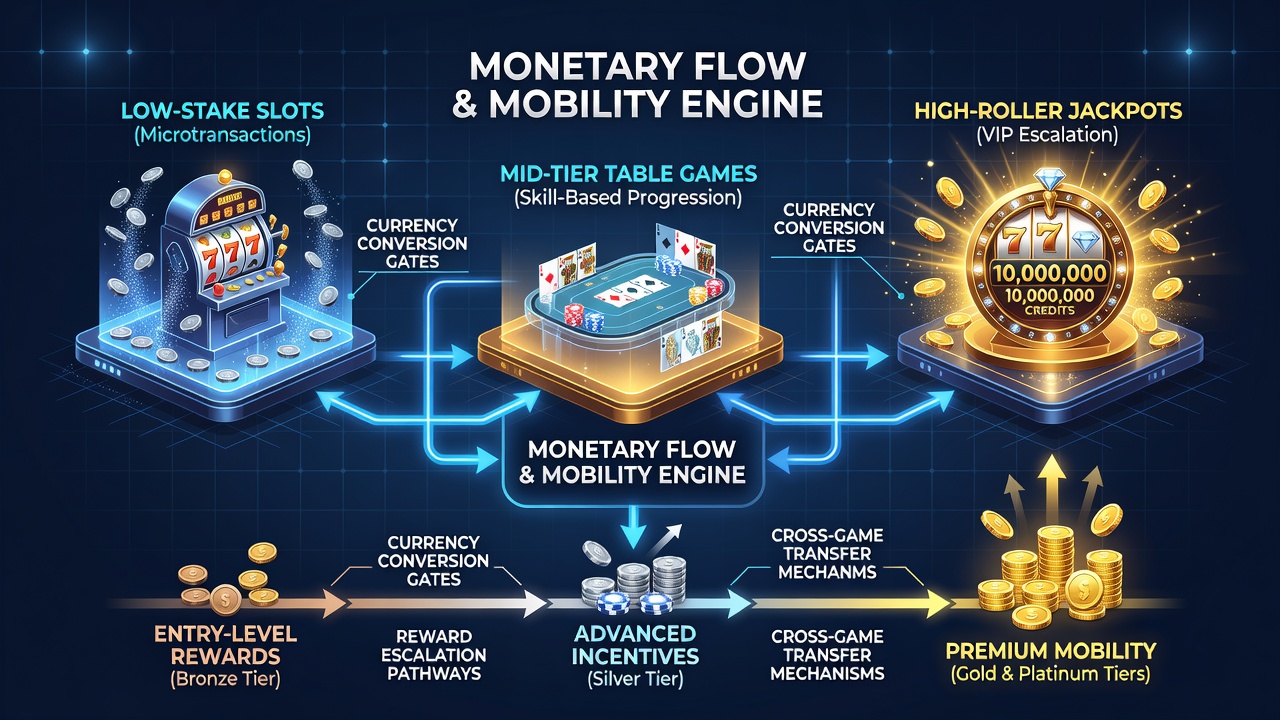
Payment Architectures and Incentive Systems Shaping Player Shifts Across Digital Game Formats
Payment processing options and layered reward frameworks determine how participants move between slots, live dealer environments, table games, sportsbooks, and progressive jackpot pools within digital gambling platforms, according to industry analyses released in October 2026. Transaction speed, fee structures, and cross-product bonus eligibility create measurable patterns in user navigation, with data indicating that seamless wallet integrations reduce friction during transitions while segmented loyalty mechanics encourage vertical climbs through reward tiers.
Researchers tracking platform activity have documented how instant deposit methods tied to specific game categories accelerate movement from high-volatility slots into live dealer sessions, whereas slower withdrawal processes tied to certain sports betting markets prompt users to explore alternative reward pathways. Figures from regulatory filings show that operators offering unified account balances across multiple verticals report higher retention rates during promotional periods, because participants encounter fewer barriers when reallocating funds between jackpot-linked reels and real-time table action.
Transaction Flows Linking Game Categories
Wallet architectures that support instant transfers between verticals reduce the time required for users to shift capital from one format to another, and observers note that platforms integrating cryptocurrency options alongside traditional cards see accelerated mobility during peak hours. Studies compiled by the American Gaming Association highlight how fee-free internal transfers correlate with increased participation in progressive jackpot networks, because players can allocate small portions of winnings across linked games without incurring additional costs.
Payment gateways that embed bonus triggers directly into deposit flows further direct attention toward underutilized categories, such as moving from mobile sports bets into live dealer roulette when cashback offers activate automatically. Data collected through platform telemetry reveals that users who complete multi-vertical transactions within a single session demonstrate elevated engagement with VIP progression systems, since accumulated activity points accumulate faster when spending spans several game types.
Reward Tier Mechanics and Cross-Format Mobility
Loyalty programs structured around cumulative spend rather than isolated game performance create pathways that pull participants toward underplayed formats to maintain tier status, and analysts from Monash University research teams have quantified how monthly reset cycles influence timing of shifts between jackpot pools and sports markets. Points earned through table game wagers often convert into free spins on slot titles, while sports betting volume unlocks live dealer cashback, establishing a network of incentives that reward diversification.
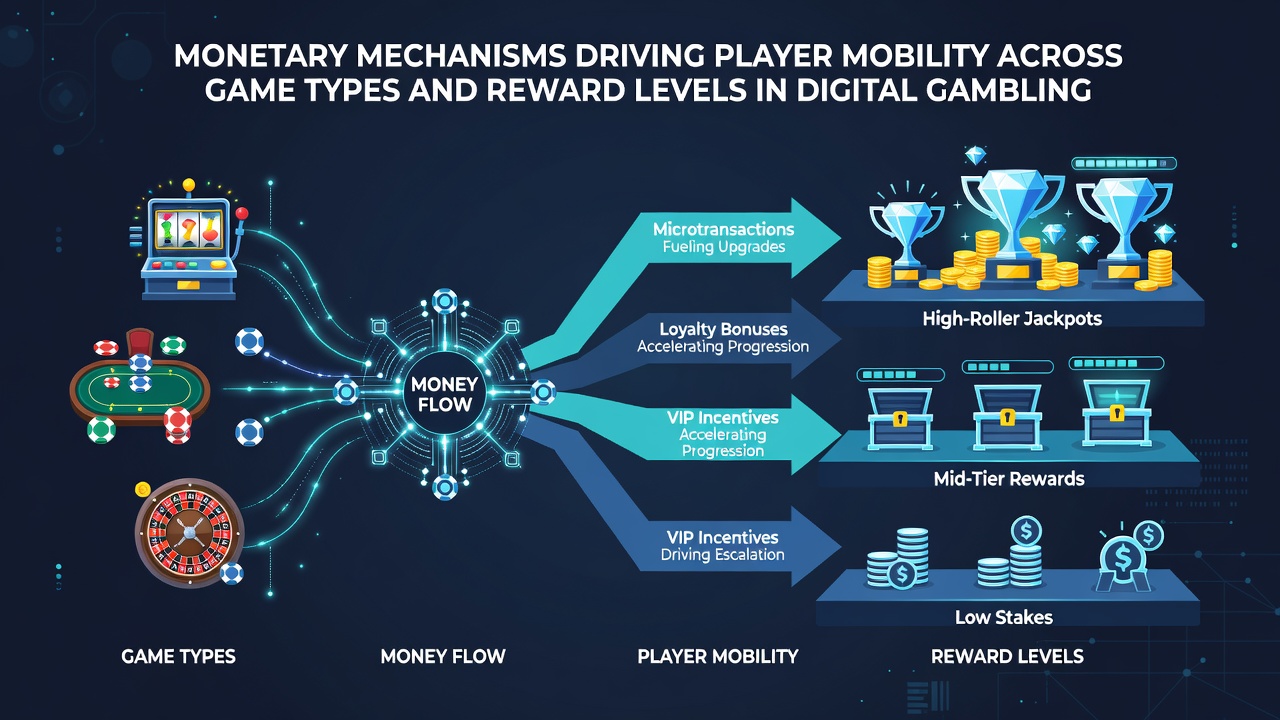
October 2026 reports from the Canadian Gaming Association indicate that operators implementing unified loyalty ledgers across all products experience measurable increases in average session length, because users chase tier milestones by sampling new categories rather than remaining within familiar environments. Bonus structures that require minimum activity across three or more verticals to unlock higher reward brackets further embed mobility into standard play patterns, turning isolated game sessions into interconnected progressions.
Progressive Linkages and Capital Reallocation
Progressive jackpot systems that draw contributions from multiple game types generate shared prize pools that incentivize participants to distribute wagers across slots, tables, and live dealer offerings to maximize contribution eligibility. Platform data shows that users monitoring jackpot meters often redirect funds from sports betting accounts into reel-based games when thresholds approach recorded highs, creating temporary spikes in cross-category activity.
Automated reallocation tools embedded in some digital wallets allow scheduled transfers between verticals based on jackpot growth rates or promotional calendars, reducing manual intervention while maintaining continuous engagement. Regulatory disclosures from Australian oversight bodies confirm that such mechanisms appear most frequently on platforms operating across multiple jurisdictions, where standardized payment rails support fluid movement without repeated verification steps.
Conclusion
Monetary mechanisms including unified wallets, tiered loyalty conversions, and progressive jackpot linkages establish measurable routes for player movement across digital gambling formats and reward structures. October 2026 data releases demonstrate consistent correlations between transaction flexibility and observed shifts between game categories, while reward architectures continue to tie activity across slots, live dealers, tables, sports betting, and jackpot networks into single progression systems.