Online Casinos Reshape Entertainment: Tech-Driven Growth and Global Shifts in 2026
Tina Schröder · Apr 22, 2026
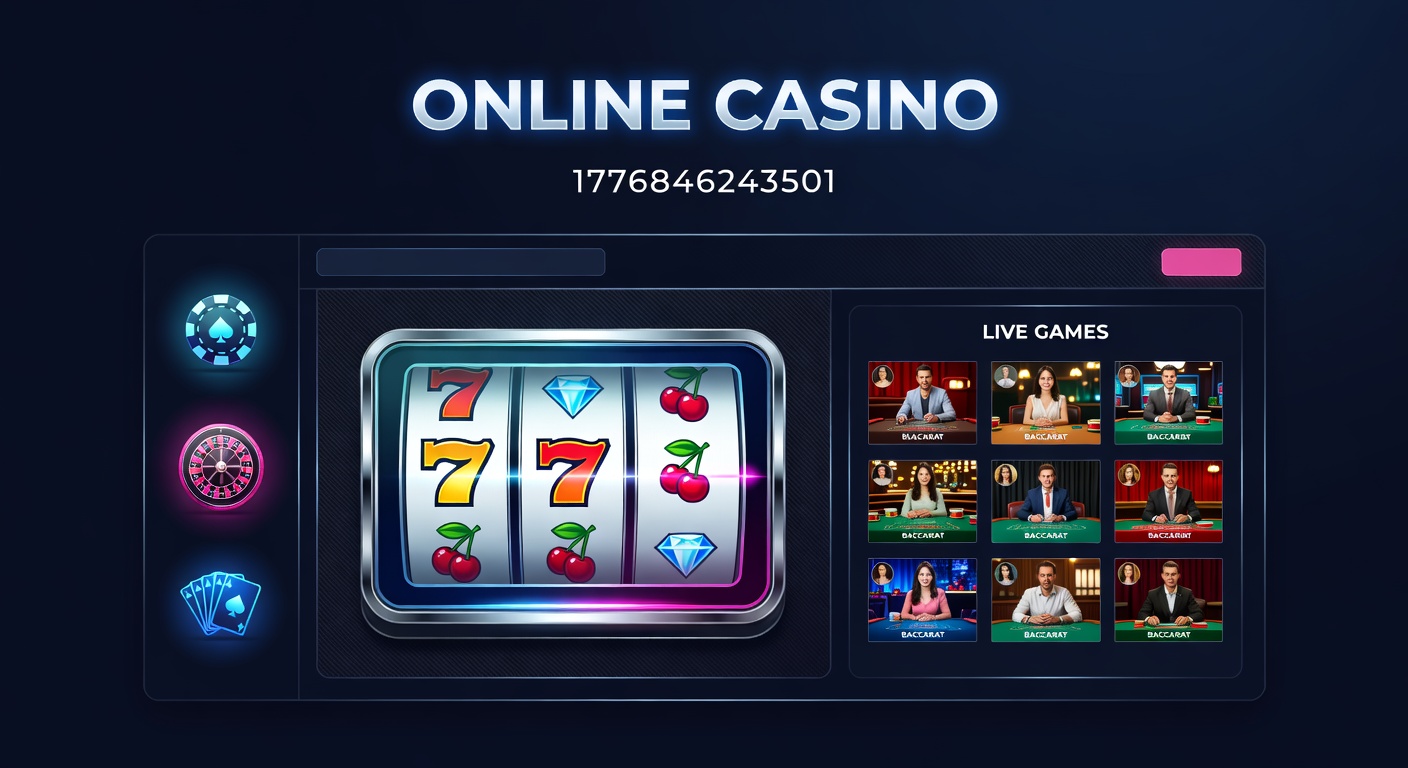
Online Casinos Reshape Entertainment: Tech-Driven Growth and Global Shifts in 2026
The Surge of Digital Gaming Platforms
Online casinos have exploded onto the scene over the past decade, transforming from niche experiments into multibillion-dollar industries that draw millions worldwide; platforms now offer everything from classic slots to immersive live dealer tables, all accessible via smartphones or desktops, and data from industry trackers reveals participation rates climbing steadily since 2020, with mobile users leading the charge because seamless apps make staking as easy as scrolling social media.
What's interesting is how these sites blend traditional casino vibes with cutting-edge tech, so players spin reels on progressive jackpots linked across networks or chat with real dealers streaming from studios in places like Malta and the Philippines; turns out, this mix keeps things fresh, as evidenced by session times averaging 45 minutes per visit according to recent analytics from the American Gaming Association, which notes U.S. online gaming revenue hitting $5.02 billion in 2023 alone, a figure that's only accelerated globally.
And while early platforms struggled with clunky interfaces, today's operators deploy AI algorithms to personalize game recommendations, suggesting high-volatility slots to thrill-seekers or low-stakes blackjack for casual players; observers note this shift not only boosts retention but also sharpens responsible gaming tools, like auto-limits on deposits that kick in after predefined thresholds.
Tech Innovations Powering the Play
Behind the flashing lights and spinning reels lies a backbone of advanced technologies that make online casinos tick; virtual reality setups now let users step into 3D casino floors, wandering virtual Las Vegas strips where avatars deal cards or trigger bonus rounds, and blockchain integration ensures provably fair outcomes by letting players verify random number generators on public ledgers.
But here's the thing: live dealer games have become the star attraction, beaming high-definition streams from professional studios where croupiers spin roulette wheels or shuffle poker decks in real time; this setup bridges the gap between brick-and-mortar authenticity and digital convenience, with latency under 100 milliseconds thanks to 5G rollouts, so bets land instantly even on cross-continental connections.
Experts who've studied adoption patterns point to cryptocurrency payments as a game-changer too, allowing anonymous, borderless transactions via Bitcoin or Ethereum wallets; platforms process these in under 10 minutes on average, compared to days for traditional bank wires, and research from the Malta Gaming Authority highlights how such features comply with EU standards for secure, auditable flows while expanding access in regions with strict fiat restrictions.
Take one developer who integrated augmented reality overlays: players scan their living rooms to project holographic slot machines, pulling virtual levers that sync with real-world haptics for that tactile buzz; it's not rocket science, but it hooks users longer, as dwell time data indicates jumps of 30% in AR-enabled sessions.

Regulatory Frameworks Across Borders
Governments worldwide have stepped up to shape this digital frontier, enacting rules that balance innovation with player protection; in the U.S., states like New Jersey and Pennsylvania enforce geofencing to restrict access, mandating third-party audits for game fairness, whereas Australia's regulatory bodies, such as those under the Australian Communications and Media Authority, cap ad spends and require self-exclusion databases to curb problem play.
Yet across Europe, jurisdictions like those overseen by Estonian or Swedish authorities demand rigorous anti-money laundering checks, including transaction monitoring that flags unusual patterns in real time; figures reveal licensed operators process over 80% of Europe's online wagers, a testament to how clear guidelines foster trust and channel activity away from unregulated shadows.
Now, with April 2026 on the horizon, whispers of harmonized standards emerge from international forums, where bodies like the International Association of Gaming Regulators discuss unified KYC protocols; this could streamline cross-border licensing, making it easier for platforms to serve multinational audiences while upholding safeguards like age verification via biometrics.
People who've navigated these waters often discover that compliant sites display seals from multiple watchdogs, signaling robust backend systems that encrypt data end-to-end and cap bonuses to prevent overextension.
Player Trends and Engagement Strategies
Users flock to these platforms for more than just wins; loyalty programs layer free spins, cashback, and VIP tiers that unlock private tables or expedited withdrawals, and analytics show repeat visitors contributing 70% of revenue because tailored promos hit personal sweet spots, like weekend reloads for sports bettors blending casino action with live events.
So what draws crowds? Social features stand out, enabling multiplayer tournaments where friends compete in slot races or poker showdowns streamed to leaderboards; one case saw a platform's community event swell to 50,000 participants, doling out $1 million in prizes over a single weekend, proof that shared excitement amplifies stickiness.
That's where the rubber meets the road for demographics too: millennials and Gen Z dominate, favoring crypto-funded quick-hits on meme-themed slots or esports-tied bets, while older players gravitate toward nostalgic table classics with slow-paced live streams; blended offerings cater to both, with hybrid apps that switch seamlessly between modes.
Observers note rising demand for sustainable practices as well, like platforms offsetting carbon footprints from server farms or partnering with charities; this resonates, boosting brand affinity in surveys where 65% of users prioritize ethical operators.
Economic Ripples and Market Projections
The sector pumps billions into economies, creating jobs in software dev, streaming ops, and compliance teams scattered from Manila hubs to North American tech parks; global market size clocked $65.7 billion in 2023 per Statista reports, with projections soaring past $100 billion by 2026, fueled by emerging markets in Latin America and Asia where smartphone penetration nears 90%.
But taxes tell the real story: U.S. states rake in hundreds of millions annually from online gross gaming revenue levies, funding schools and infrastructure, while Canadian provinces like Ontario report $2 billion in first-year hauls post-legalization, underscoring how regulated digital casinos fill public coffers without the overhead of physical builds.
Here's where it gets interesting for 2026: April events like the ICE London expo (rescheduled amid buzz) showcase VR prototypes and AI croupiers, drawing 40,000 attendees to preview tools that predict player fatigue and prompt breaks; such advancements promise safer, smarter play, aligning growth with responsibility.
Conclusion
Online casinos stand at a pivotal juncture, where tech wizardry meets regulatory rigor to deliver thrills responsibly on a global scale; as platforms evolve with VR immersions, instant crypto flows, and personalized safeguards, participation surges, economies benefit, and innovations like those debuting in April 2026 pave the way forward, ensuring the digital house always offers fair play for those who enter.