Interwoven Reward Systems: Linking Progressive Payout Mechanisms to Loyalty Architectures in Portable Betting Platforms
Sofia Meier · Jun 12, 2026
Interwoven Reward Systems: Linking Progressive Payout Mechanisms to Loyalty Architectures in Portable Betting Platforms
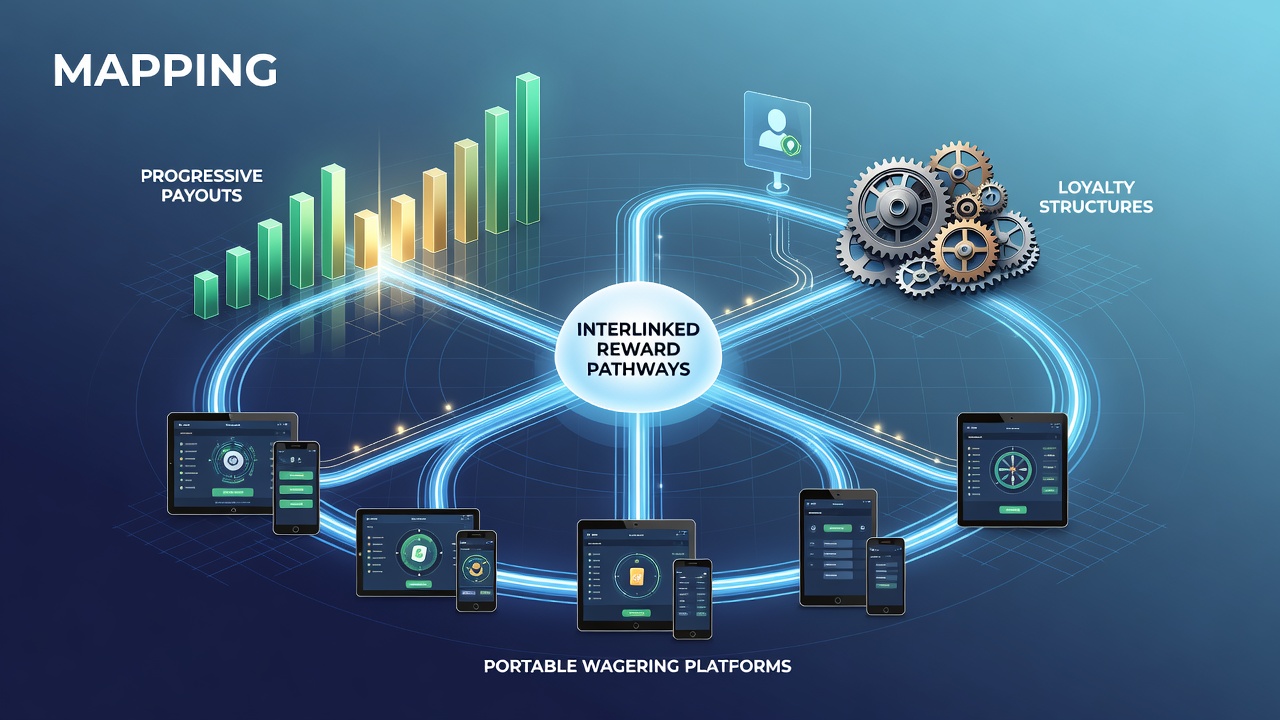
Operators across portable wagering platforms have developed complex networks where progressive payout pools feed directly into loyalty point accumulation systems, creating pathways that reward consistent participation while scaling jackpot contributions across multiple devices and applications. These structures operate through centralized databases that track player activity in real time, converting wager volumes into tiered status levels while simultaneously allocating portions of each bet to shared prize pools that grow across connected games and regions.
Core Components of Integrated Pathways
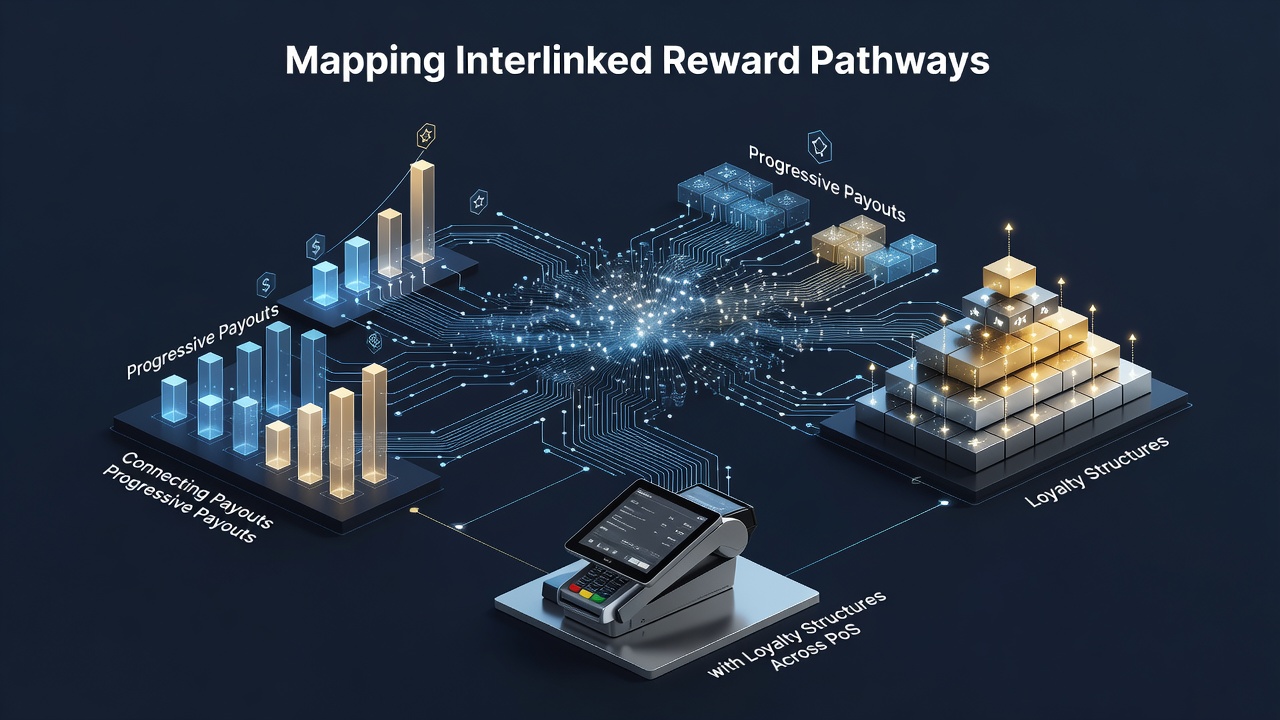
Progressive payout systems function by pooling small percentages from qualifying bets into escalating jackpot totals, and loyalty architectures assign points based on the same wager data, allowing participants to climb membership tiers that unlock accelerated contributions to those same pools. Data from the American Gaming Association shows that mobile platforms now account for over 60 percent of total gaming handle in regulated markets, which has accelerated the deployment of unified tracking software capable of synchronizing these elements across handheld devices.
Platform developers achieve this linkage through application programming interfaces that pull live jackpot figures into loyalty dashboards, displaying both current prize amounts and projected point earnings in a single interface. When players reach higher loyalty tiers, the system automatically increases the percentage of each bet directed toward progressive pools, creating a feedback loop where retention efforts directly fuel jackpot growth.
Technical Mapping Across Devices
Engineers map these pathways by assigning unique identifiers to each player account that persist across applications, ensuring that activity on one portable platform updates both loyalty balances and progressive contributions without duplication or lag. Backend systems log every transaction with timestamps and device metadata, allowing operators to audit how mobile sessions contribute to overall reward structures while maintaining compliance with data protection standards.
Studies conducted by the University of Nevada, Las Vegas International Gaming Institute indicate that seamless cross-device synchronization reduces player drop-off rates by maintaining visible progress toward both tier advancement and jackpot eligibility. In practice, a user switching from smartphone to tablet mid-session sees uninterrupted point accrual and unchanged jackpot meter values because the architecture routes all data through a single cloud-based ledger.
Regional Implementation Patterns in 2026
By June 2026 regulatory frameworks in multiple jurisdictions had begun requiring transparent reporting on how loyalty points convert into progressive contributions, prompting operators to publish detailed flow diagrams that illustrate the exact ratios applied at each tier. Canadian provincial regulators, for instance, now request quarterly summaries showing the portion of mobile handle allocated to linked reward pools, while Australian state authorities focus on ensuring that portable platforms display real-time updates for both jackpot totals and loyalty status in the same view.
These requirements have led developers to embed audit trails directly into mobile applications, allowing users to trace how specific bets influenced both their tier progression and the growth of connected progressive prizes. The resulting transparency has encouraged wider adoption of unified systems that treat loyalty structures and payout mechanisms as interdependent rather than separate modules.
Future Integration Trends
Industry reports from the European Gaming and Betting Association highlight ongoing work to expand these pathways into virtual reality environments, where spatial tracking could further tie physical gestures during mobile sessions to incremental jackpot allocations and loyalty multipliers. Observers note that such expansions will require even more robust mapping protocols to maintain consistency across device types and operating systems.
Conclusion
The mapping of interlinked reward pathways continues to evolve as portable wagering platforms refine the technical connections between progressive payouts and loyalty structures, driven by regulatory demands for clarity and player expectations for unified progress tracking. These systems demonstrate how operators leverage centralized data flows to align jackpot growth with membership retention across handheld devices.