Charting Funding Pathways to Tiered Access Across Game Formats and Reward Systems
Nils Reed · May 24, 2026
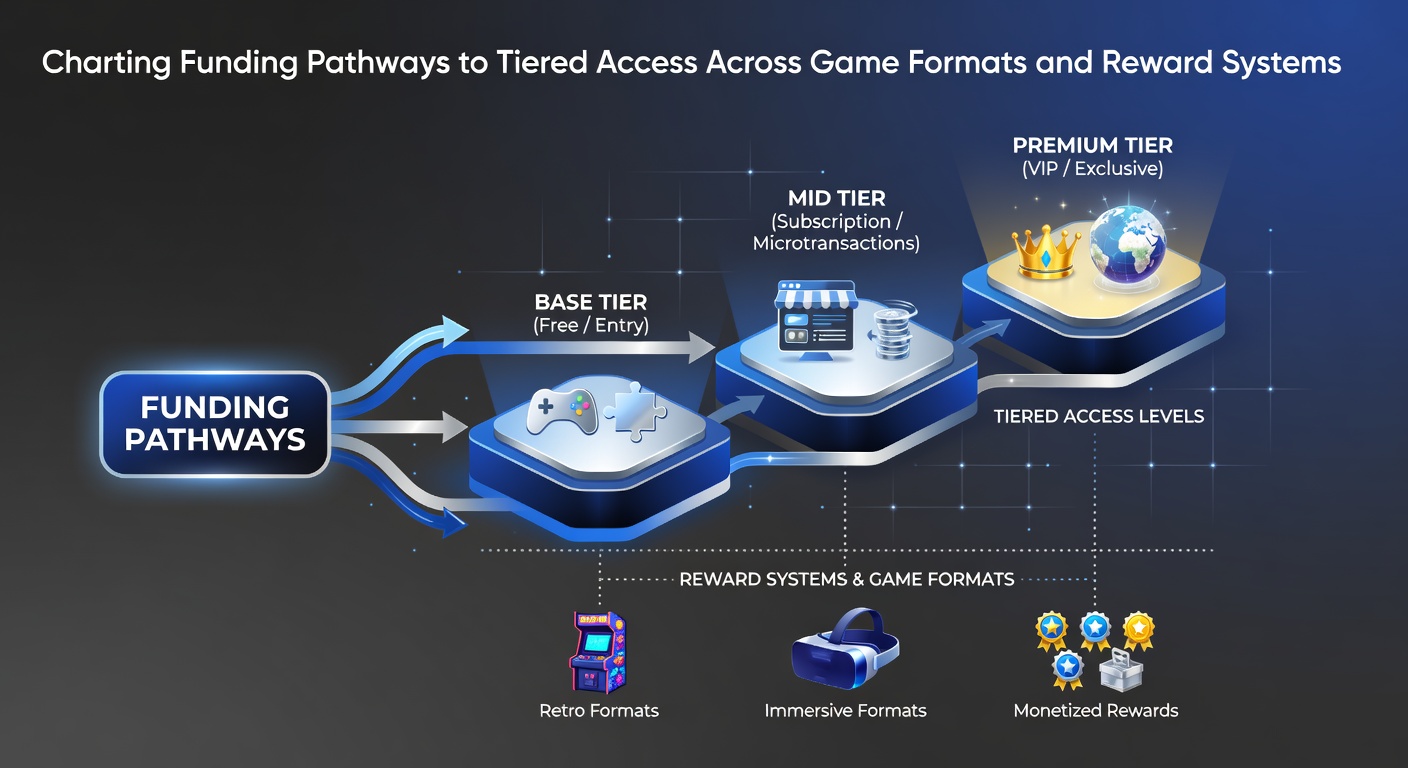
Charting Funding Pathways to Tiered Access Across Game Formats and Reward Systems
Payment systems in digital gaming environments create structured routes that connect deposits directly to progressive access tiers, and these routes vary depending on the game format involved. Observers note that slots often rely on rapid micro-transactions while live dealer tables and sports betting platforms integrate larger cumulative funding milestones to unlock higher reward brackets. Data from industry reports shows that platforms adjust these pathways based on regulatory requirements and player activity patterns tracked across multiple regions.
Core Mechanisms of Funding Pathways
Funding pathways operate through a sequence of deposit methods, verification steps, and spending thresholds that determine entry into successive tiers. Researchers at the Australian Gambling Research Centre have documented how instant bank transfers accelerate progression in reward systems compared to card-based options that trigger additional compliance checks. These differences affect how quickly players gain access to exclusive game variants and bonus pools, with electronic wallets frequently serving as the fastest conduit for tier advancement.
Multiple game formats intersect with these pathways in distinct ways. Slots platforms emphasize frequent small deposits that accumulate toward loyalty points, whereas sports betting environments require sustained wagering volumes across events to meet tier criteria. Live dealer sections blend both approaches because real-time sessions often combine minimum buy-ins with ongoing participation metrics. Industry associations report that integrated platforms now synchronize these requirements so that activity in one format contributes to overall tier status across the entire ecosystem.
Variations Across Game Formats
Slots reward systems typically prioritize deposit frequency and volume, creating entry points at lower funding levels that scale upward through progressive jackpots and multiplier bonuses. In contrast, table game and live dealer formats impose higher initial thresholds tied to session length and bet sizing, which in turn feed into VIP lounges and personalized dealer access. Sports betting pathways incorporate event-specific promotions that convert settled wagers into tier credits, allowing cross-format movement when platforms link all activities under a single account structure.
Recent figures from the Nevada Gaming Control Board indicate that multi-format operators in regulated markets have increased the number of available tiers from four to six in several jurisdictions during early 2026. This expansion reflects adjustments made after May 2026 policy reviews that emphasized clearer disclosure of funding requirements for each level. The changes also introduced standardized conversion rates between different game types so that sports betting turnover converts more predictably into live dealer credits.
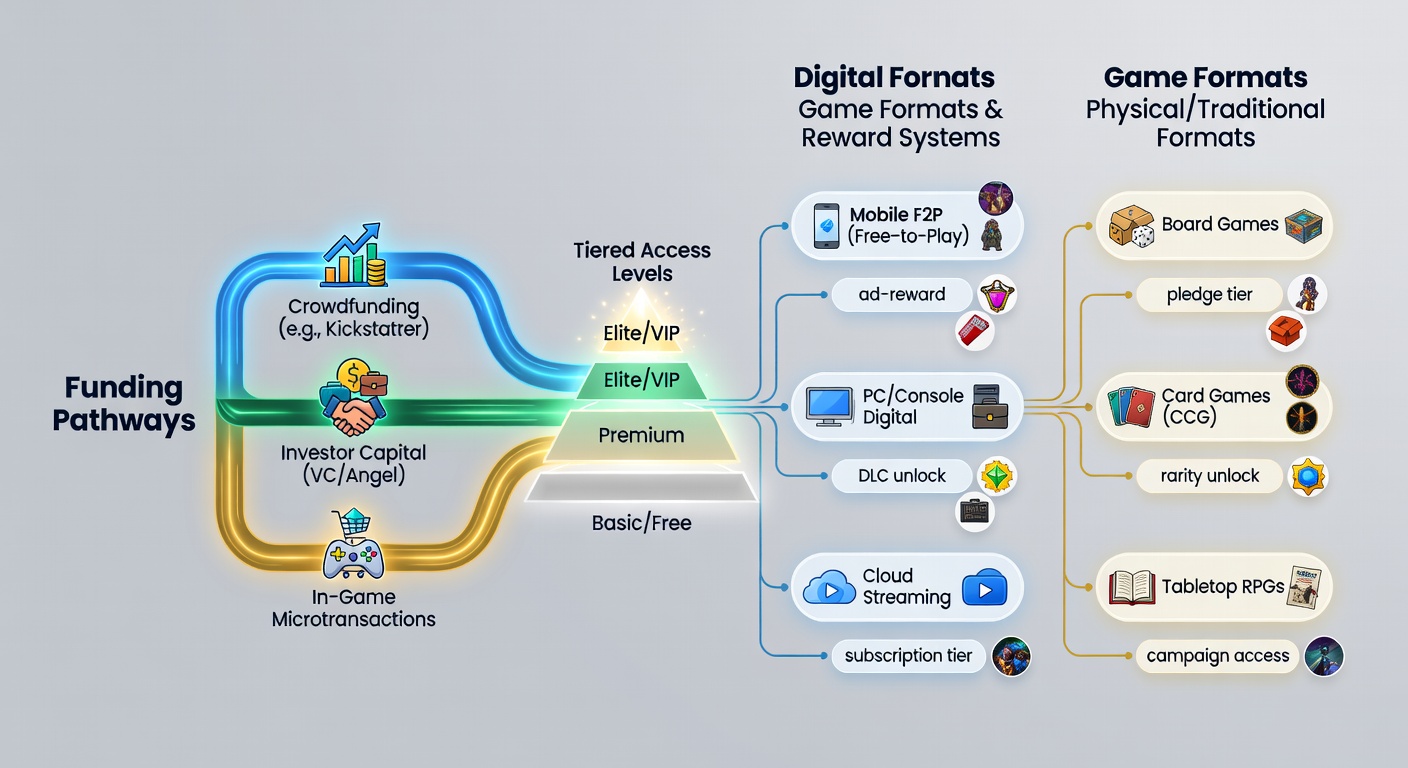
Reward System Integration and Thresholds
Reward structures connect to funding pathways through point accumulation models that translate deposits and wagers into redeemable benefits. Cashback percentages rise at each tier, and access to limited-time promotions becomes gated behind cumulative spend targets. Those who have examined operator data note that hybrid rewards now appear more frequently, where progress in slots contributes partial credit toward sports betting VIP privileges and vice versa.
Payment speed influences tier stability because delayed processing can interrupt the continuous activity needed to maintain status. Electronic fund transfers and cryptocurrency options reduce these interruptions in markets where they receive regulatory approval, while traditional methods introduce verification delays that extend qualification periods. Trade groups such as the European Gaming and Betting Association have compiled comparative studies showing regional differences in how quickly players advance once funding clears.
Regulatory Influences on Pathway Design
Authorities in multiple jurisdictions require operators to publish clear funding thresholds for each tier and to separate promotional funds from deposit requirements. These rules affect how pathways are charted, particularly when operators must demonstrate that tier benefits derive from genuine play rather than artificial deposit cycling. Compliance documentation from Canadian provincial regulators highlights ongoing refinements to these standards through 2026.
Operators respond by creating modular systems that adapt pathways according to local rules while maintaining consistent player experiences across borders. The result appears in unified dashboards that display real-time progress toward the next tier regardless of which game format generated the activity. Such designs reduce friction for players who shift between slots, live tables, and sports events within the same session.
Conclusion
Payment pathways continue to define how players reach successive access levels across diverse game formats and integrated reward programs. Evidence from regulatory bodies and research institutions demonstrates that these systems evolve in response to both technological capabilities and oversight requirements, with clear documentation of thresholds remaining central to transparent operation. Continued monitoring by industry groups tracks how new deposit technologies interact with existing tier structures in the months ahead.